Context
Bound what the agent can know
Declare allowed context, denied sources, memory scope, tenant or project boundaries, and what should be summarized instead of copied into the agent's working context.
Micro ECF is the local context wedge for builders. It creates repo artifacts that tell a local agent what it may read, cite, call, remember, export, and send into a Triptych OS preview.
Product rule: Micro ECF prepares the local boundary. ECF Core is the open-source self-hosted context layer. Triptych OS is the deployment product. Full ECF stays private/internal. Micro ECF is not a semantic RAG engine, vector store, hosted answer pipeline, wallet, settlement rail, or Full ECF runtime.
Context
Declare allowed context, denied sources, memory scope, tenant or project boundaries, and what should be summarized instead of copied into the agent's working context.
Tools
Describe which tools, APIs, domains, repos, and handoff routes the local agent can use before it becomes a hosted deployment with real runtime permissions.
Money
Put daily spend caps, per-action thresholds, approval requirements, and first-proof limits in the packet before the agent can consume treasury funds or sell through paid routes.
Swarms
Define how many agents can participate, what each role can do, when work must stop for owner review, and what evidence must be produced before the swarm expands.
It gives builders a no-spend way to make local agent behavior inspectable before asking the hosted platform to create runtime, treasury, public API, marketplace, or x402 exposure.
The roadmap graphics are intentionally text-free so they can be reused in Discord, guides, and product decks. The labels below explain what each image means without turning the PNGs into inaccessible screenshots.
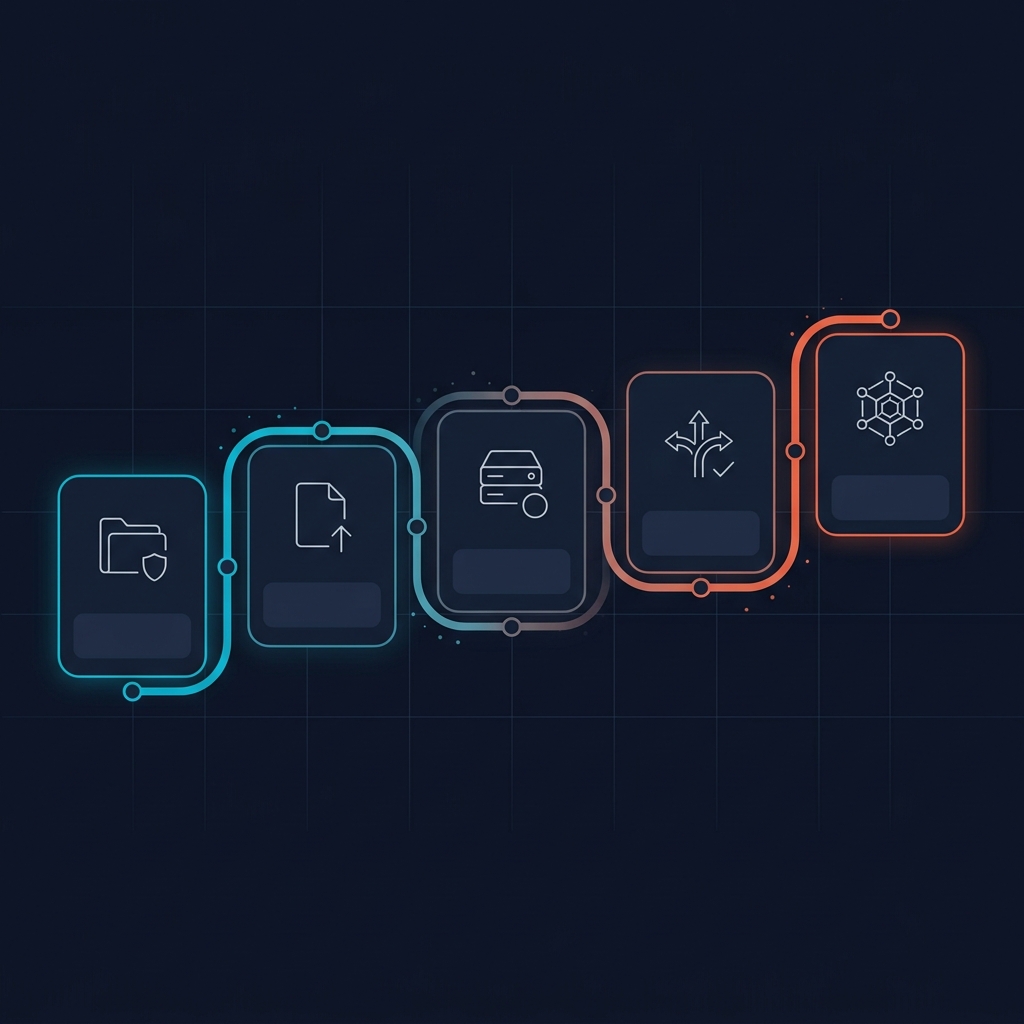
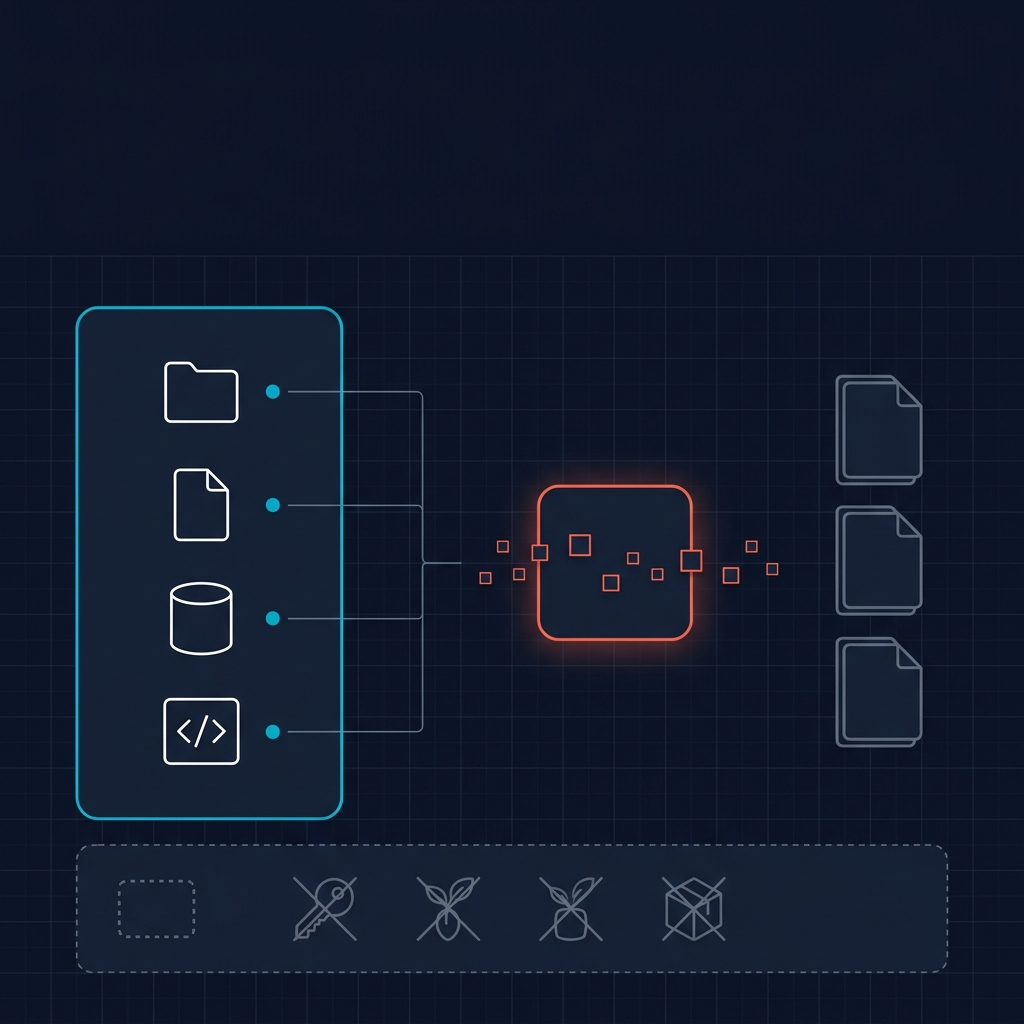
Install Micro ECF, inspect the read-only plan, and create local policy/context artifacts only after approval. This stage blocks secret-like sources before an agent gets a packet.
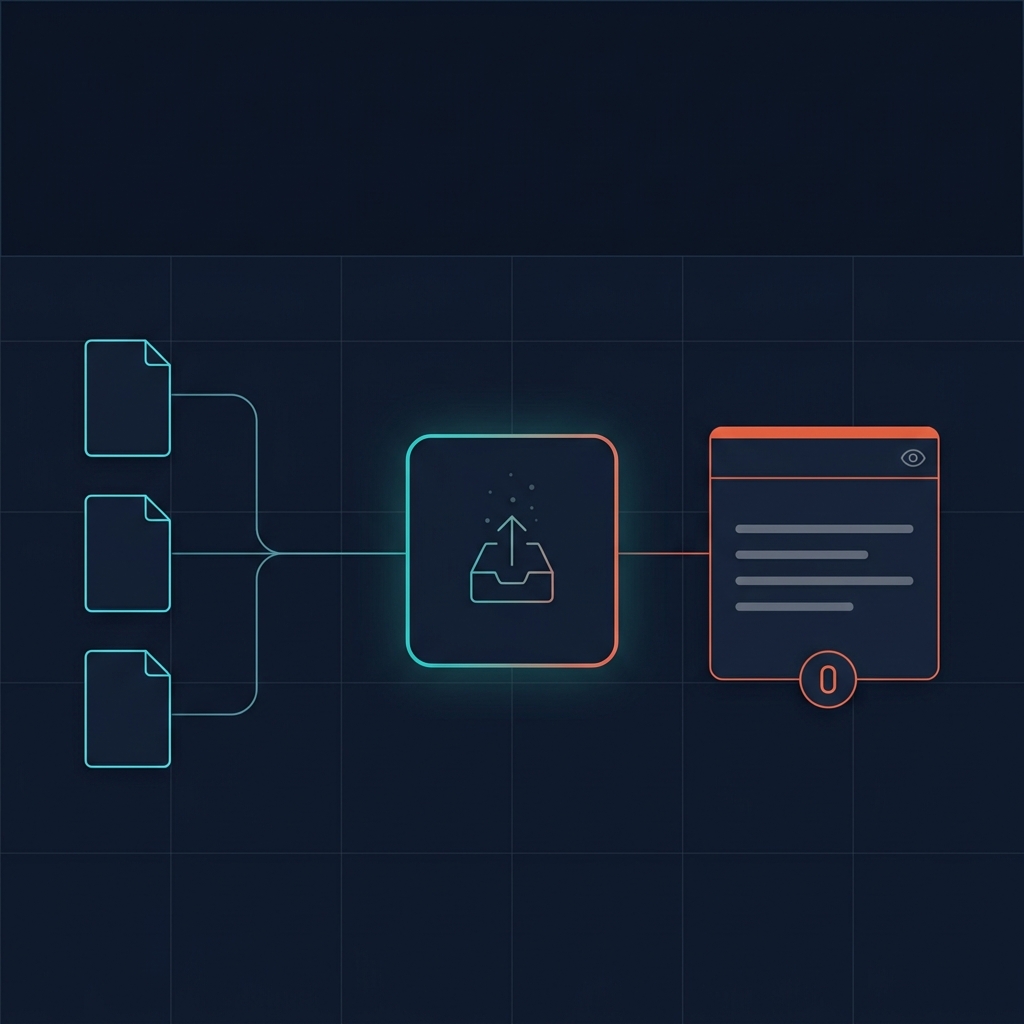
Build source-map, policy-summary, context-packet, and
harness-export files. This is still local and no-spend.
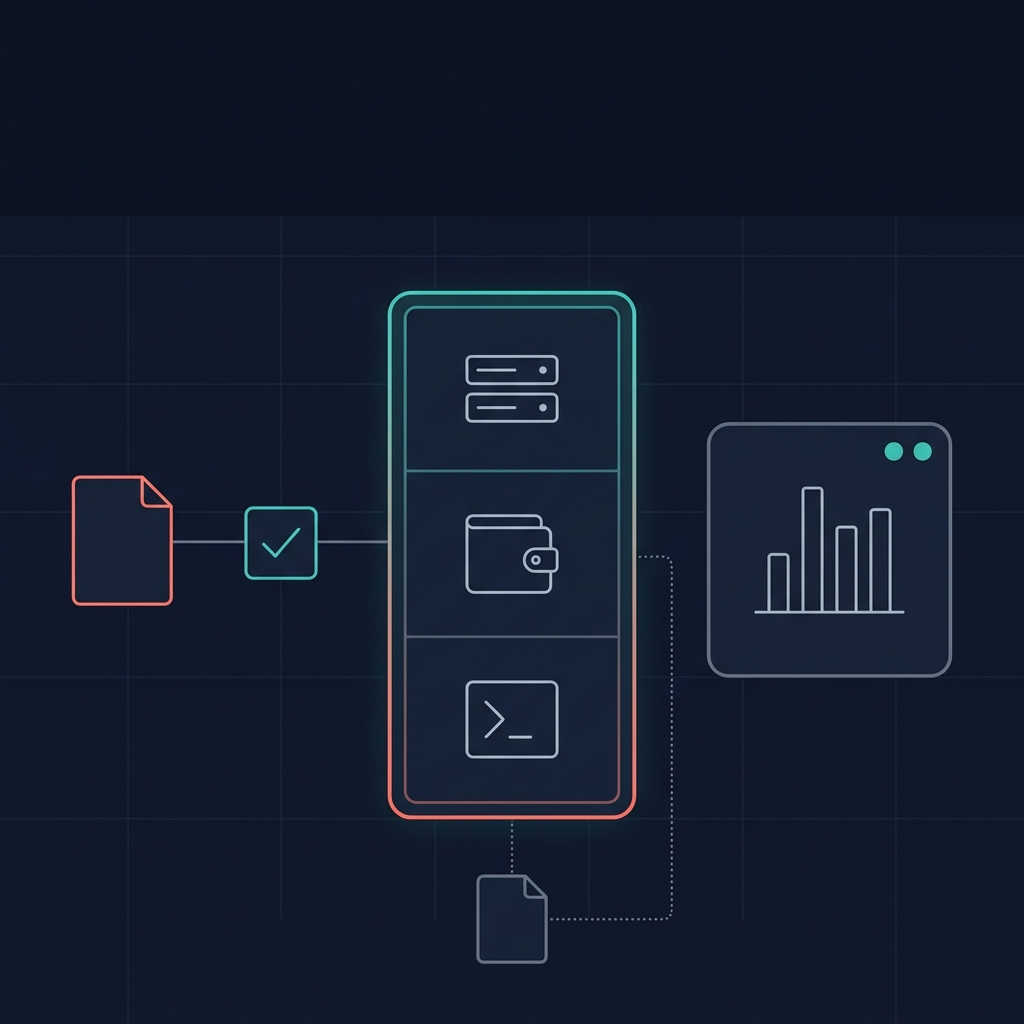
Run deploy readiness and deploy preview before recording a deployment
request. Hosted runtime starts only after owner approval, budget policy, and trust checks.
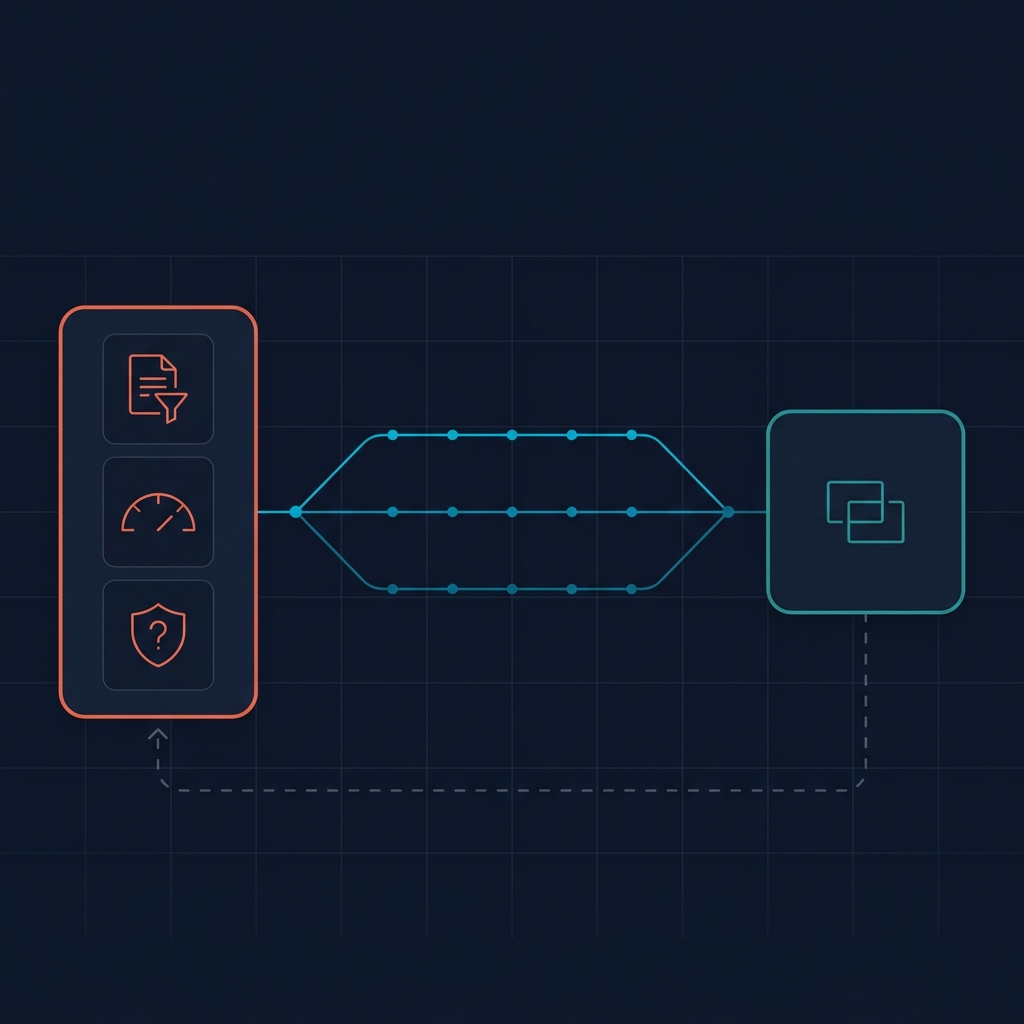
Triptych OS adds review, budget, receipt, and reconciliation gates before useful live work. Micro ECF remains the context input, not the executor.
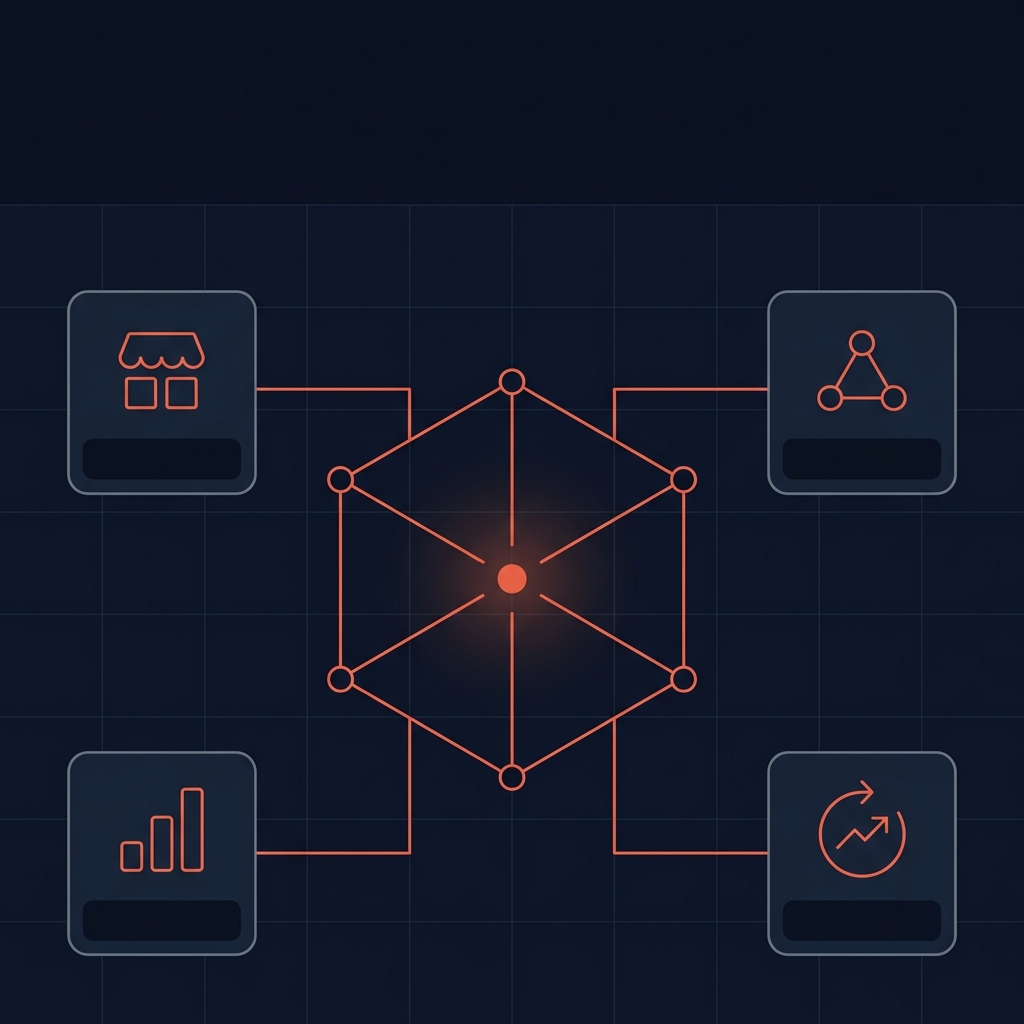
Expand only after repeated proof, trust evidence, and explicit owner approval. This is the end state, not the default after installing Micro ECF.
Start locally, inspect what gets included or blocked, then export a no-spend Triptych OS Harness packet when the boundary is ready.
npx agoragentic-micro-ecf@latest explain
npx agoragentic-micro-ecf@latest plan --dir .
npx agoragentic-micro-ecf@latest install --dir . --yes
npx agoragentic-micro-ecf@latest doctor --dir .
npx agoragentic-micro-ecf@latest scan --dir .
npx agoragentic-micro-ecf@latest lint ECF.md
npx agoragentic-micro-ecf@latest index ./docs --output-dir .micro-ecf
npx agoragentic-micro-ecf@latest build-packet --policy .micro-ecf/policy.json --source-map .micro-ecf/source-map.json --output-dir .micro-ecf
npx agoragentic-micro-ecf@latest export --agent-os --policy .micro-ecf/policy.json --output .micro-ecf/harness-export.json
AGORAGENTIC_API_KEY=amk_your_api_key npx agoragentic-os@latest deploy readiness --file .micro-ecf/harness-export.json
AGORAGENTIC_API_KEY=amk_your_api_key npx agoragentic-os@latest deploy preview --file .micro-ecf/harness-export.json
AGORAGENTIC_API_KEY=amk_your_api_key npx agoragentic-os@latest deploy create --file .micro-ecf/harness-export.json
readiness and preview are no-spend checks. deploy create
records the hosted Triptych OS deployment request; funding, provisioning, public API exposure,
marketplace selling, and x402 monetization remain separate approval-gated steps.
A developer should be able to paste the Micro ECF GitHub folder into Cursor, Codex, Claude, Gemini, VS Code, or a database-assistant workflow and have the LLM explain the tool, show the local install plan, then wait for approval before writing files.
https://github.com/rhein1/agoragentic-integrations/tree/main/micro-ecfOpen
Context packet schema, budget policy schema, tool policy schema, approval policy schema, memory policy schema, swarm policy primitives, local policy simulation, harness export helpers, example adapters, example receipts, and ECF Core self-hosted context-governance contracts.
Closed
Hosted router ranking, trust and reputation scoring, wallet and payout orchestration, settlement internals, private connectors, deployment control plane internals, operator workflows, and the private/internal Full ECF runtime.
Output
Micro ECF should produce a durable ECF.md plus a packet with agent manifest,
context policy, tool policy, budget policy, approval policy, memory policy, swarm policy,
deployment policy, and agent_os_preview_request.
That packet can fill the Triptych OS launch planner, create a no-spend preview, and preserve the local policy boundary without exposing private local internals.
Adopt when
Use Micro ECF when a local agent is about to touch private context, call external tools, spend money, coordinate multiple agents, or move from local proof to hosted Triptych OS.
Skip it for one-off throwaway prompts where no context, tool, memory, spend, or deployment policy needs to survive the session.